An hour and a half from Chongqing, a walled town of 1,500 years where people still live behind the doors. You do not watch the customs here. You take a part in them.
90 minfrom Chongqing
1,500years old
4things you do
铜梁龙舞TONGLIANG DRAGON DANCE
01 · WITH YOUR HANDS
Four things you do yourself
01 / 02
Not from behind a rope. A bench, a dragon, a face, a table of tiles — each one becomes yours for an hour.
01THE COURT
You are the magistrate
The yamen has been restored as a three-court compound: main hall, six offices, inner chambers and the magistrate's own rooms. You put on the robe, sit at the bench, hear a case and give the verdict. The other parts are played around you — and the case ends the way you decide it.
The case ends the way you decide it.
IMMERSIVE · YOU TAKE THE SEAT
FIG. 01Two visitors at the bench
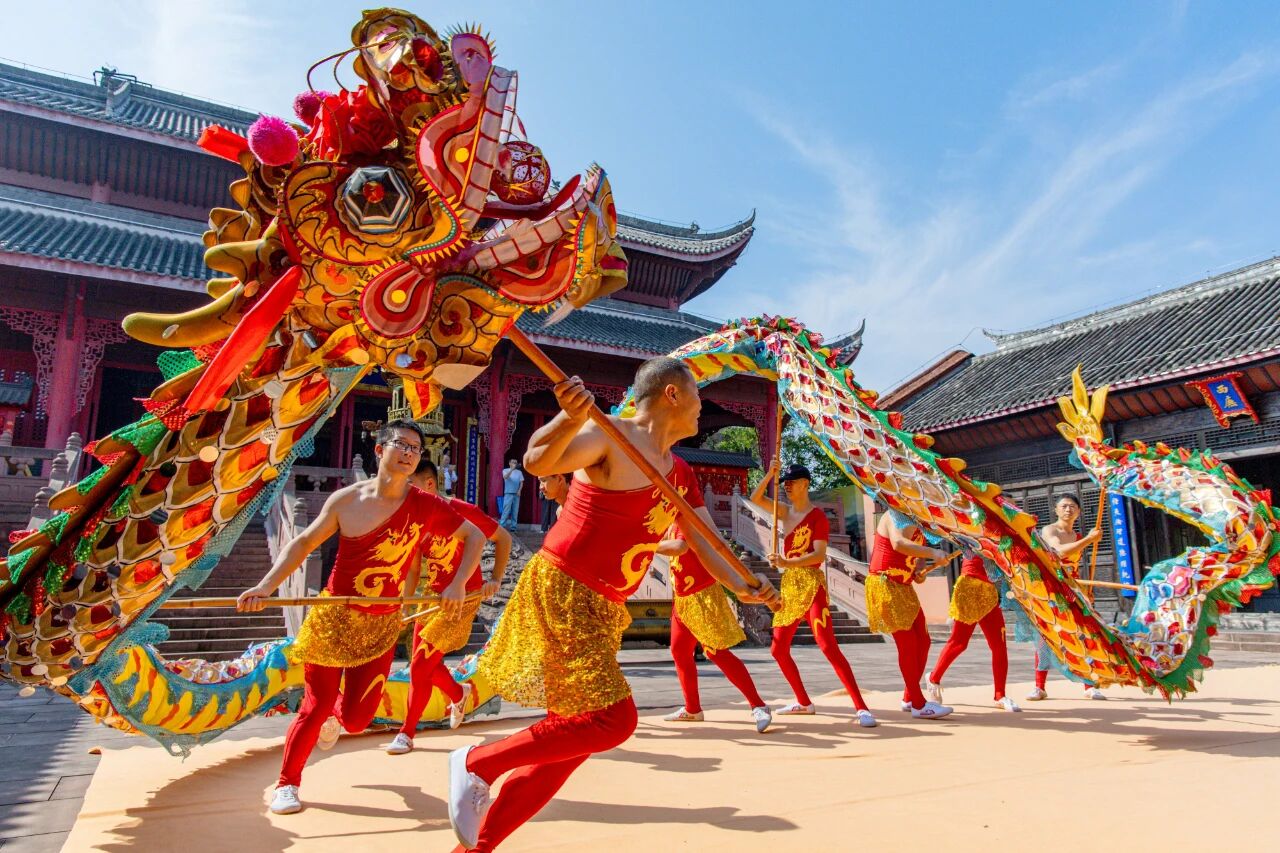
02THE DRAGON
You carry the dragon
Tongliang's dragon dance is on China's national intangible heritage list — it has opened the Spring Festival Gala. Here the craft goes back to the Warring States, and in the Ming and Qing the town was full of dragon workshops. Only a few people can still make a whole dragon by hand. You see how the bamboo frame is split and painted, then take a length of the dragon yourself and learn the steps.
Only a few people can still make a whole dragon by hand.
HERITAGE CRAFT · IN YOUR HANDS
FIG. 02The dragon on the old street
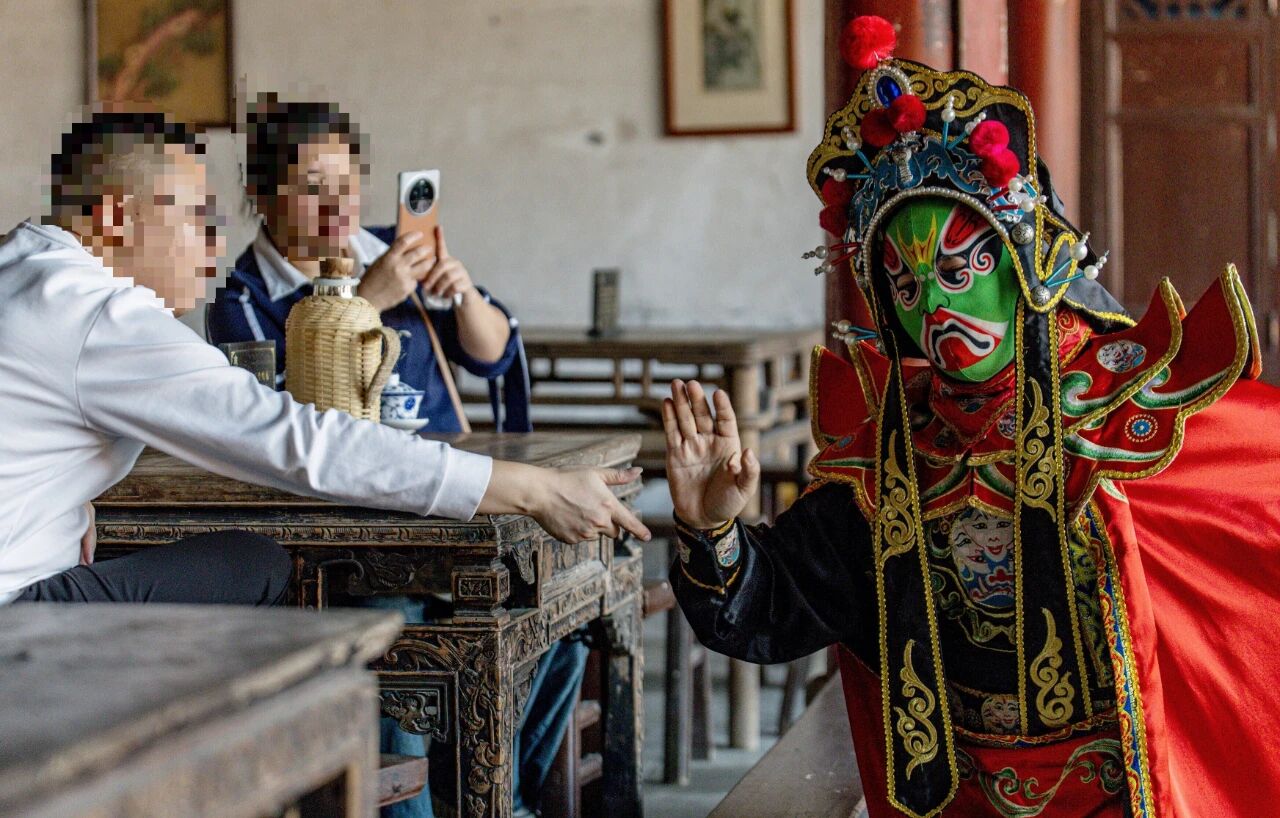
03THE FACE
You paint the face
Sichuan opera took shape in teahouses like the one on the guild hall stage here, where companies from different provinces shared a platform until their styles became one. A face-changing artist plays a few steps from your table — the fan opens, the face is different. Then you go backstage and paint one of your own: red, black, white or gold, each a character you learn to read.
Red, black, white or gold — each a character you learn to read.
OPERA · YOUR OWN FACE
FIG. 03Backstage, painting a face
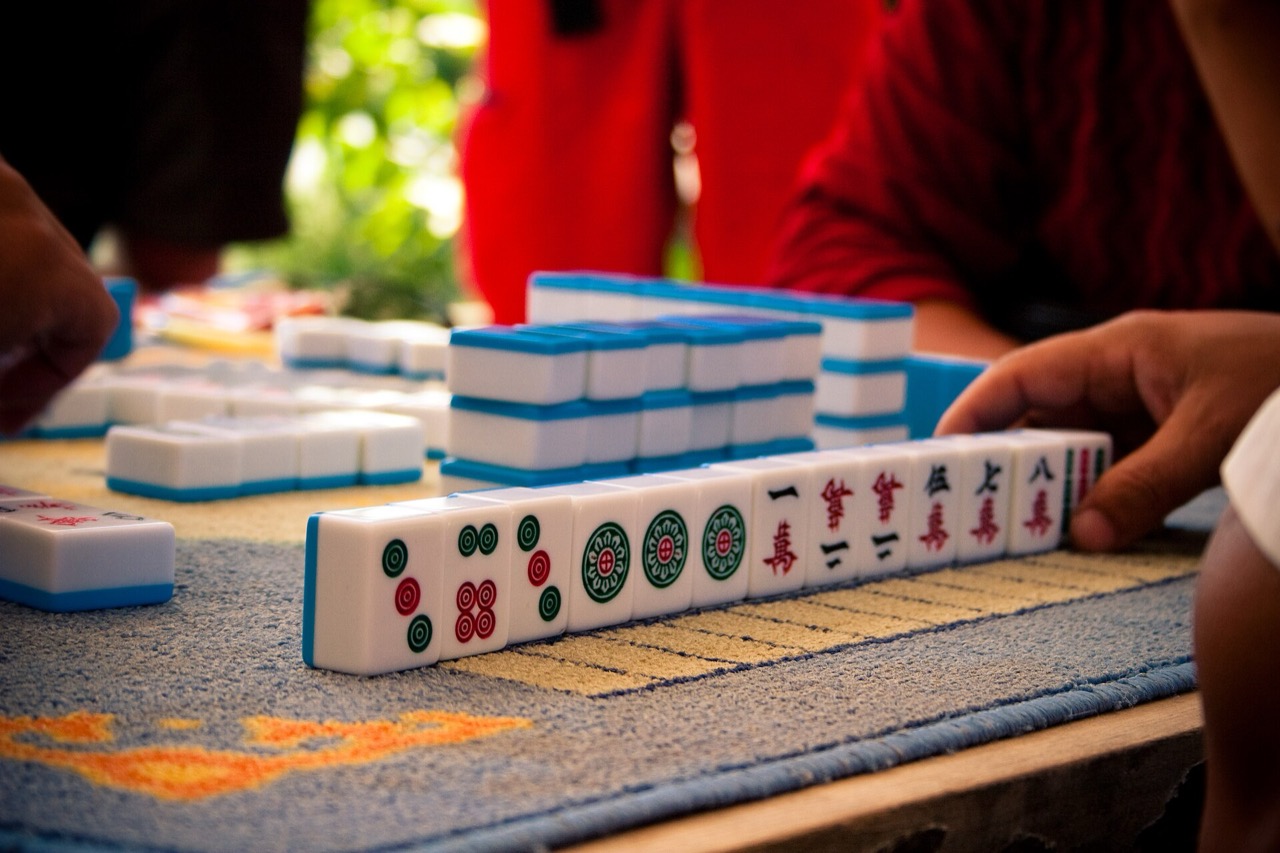
04THE TABLE
You learn to play mahjong
Mahjong is the sound of a Sichuan afternoon: tiles shuffled on a wooden table, four people leaning in, someone laughing at a bad discard. It is not a relic here — it is what people do after lunch. In a teahouse courtyard we put a table out and teach you the three suits, how a hand is built, and the few rules you need before your first move. Then you play a few hands with locals who have been playing since they were children. You will not leave an expert. You will leave knowing why the room gets so loud.
You will leave knowing why the room gets so loud.
AT THE TABLE · YOU PLAY
FIG. 04A game under way in a teahouse courtyard
02 · THE TOWN
The town you walk through
02 / 02
What to notice once the performances are over.
01
Repaired, not rebuilt
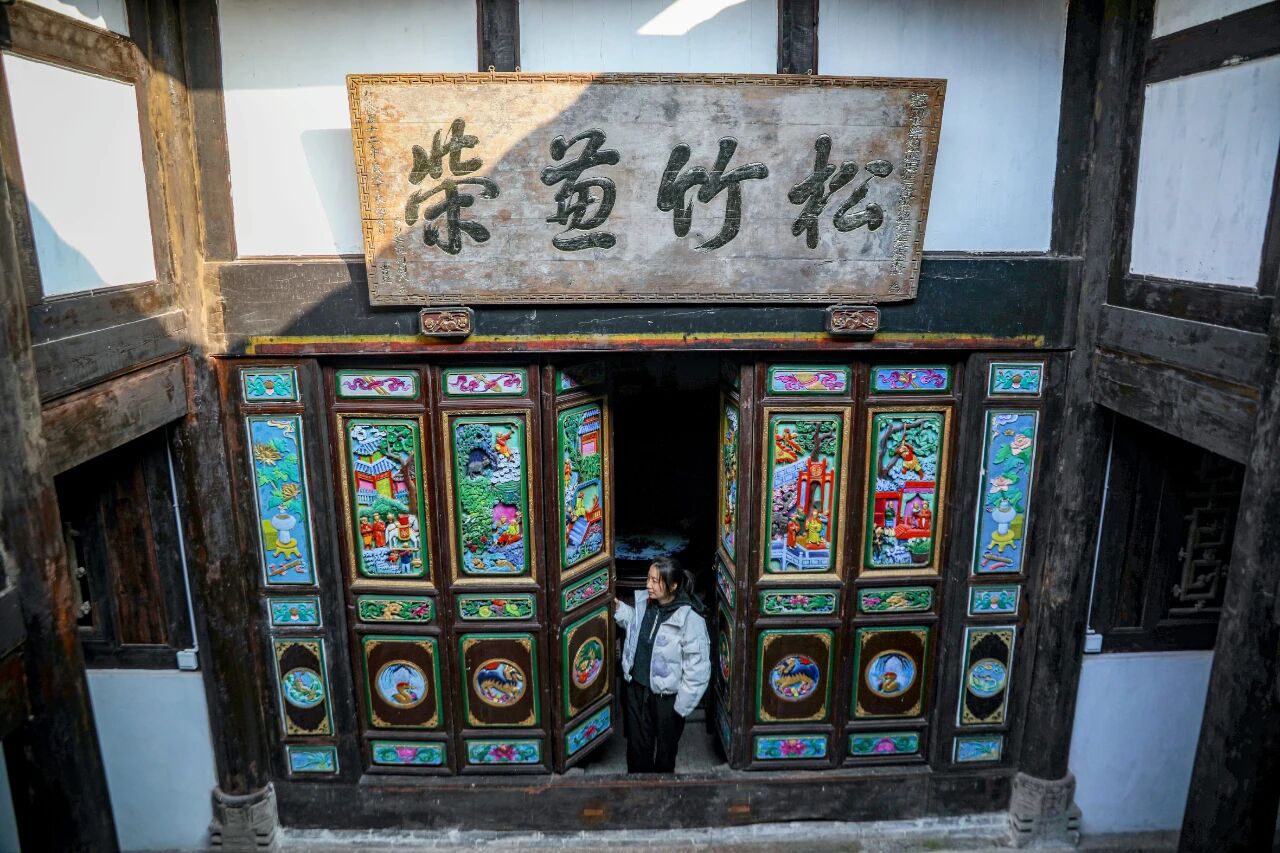
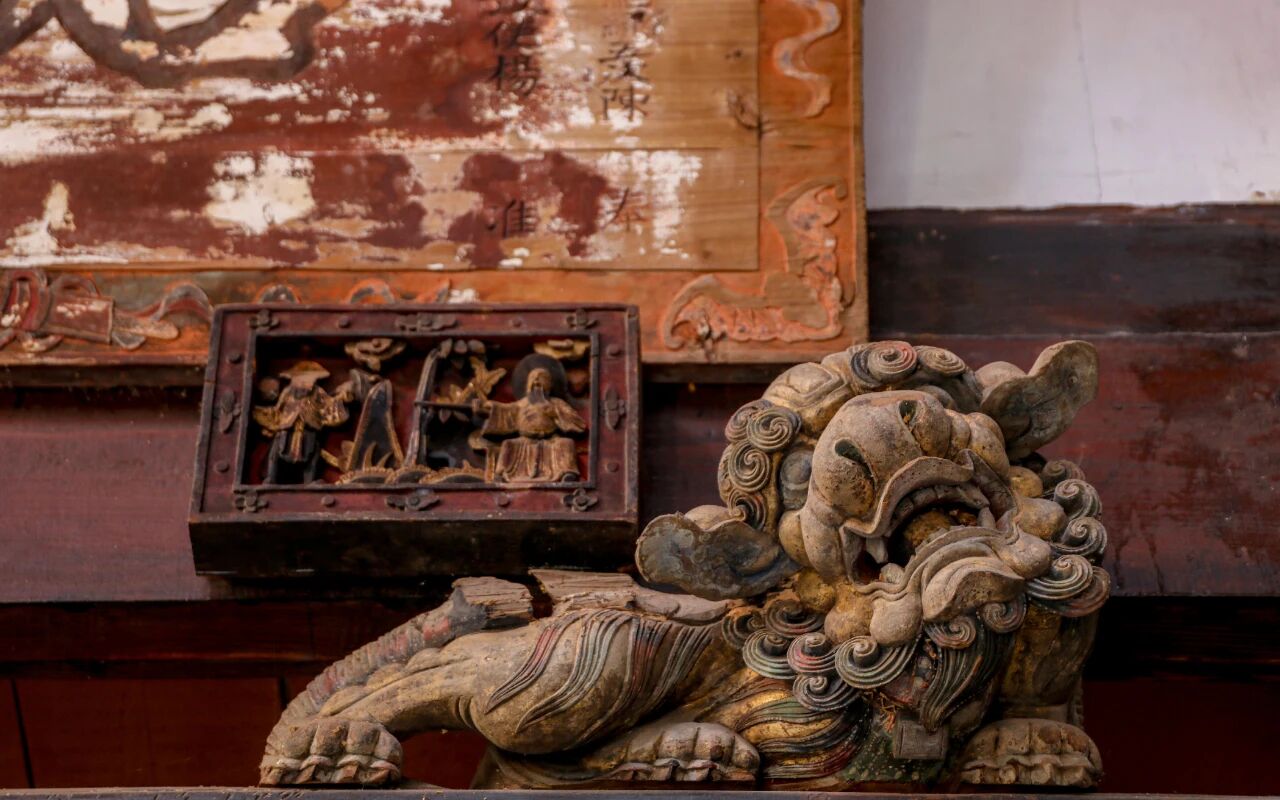
The largest surviving old-building cluster in Chongqing. Grey brick, dark tile, and families still living behind the doors — the town follows the old rule of repairing with the same materials. Look up at the gables: they are Huizhou, carried here by the same migrations that filled Sichuan.
02
Four provinces, one street
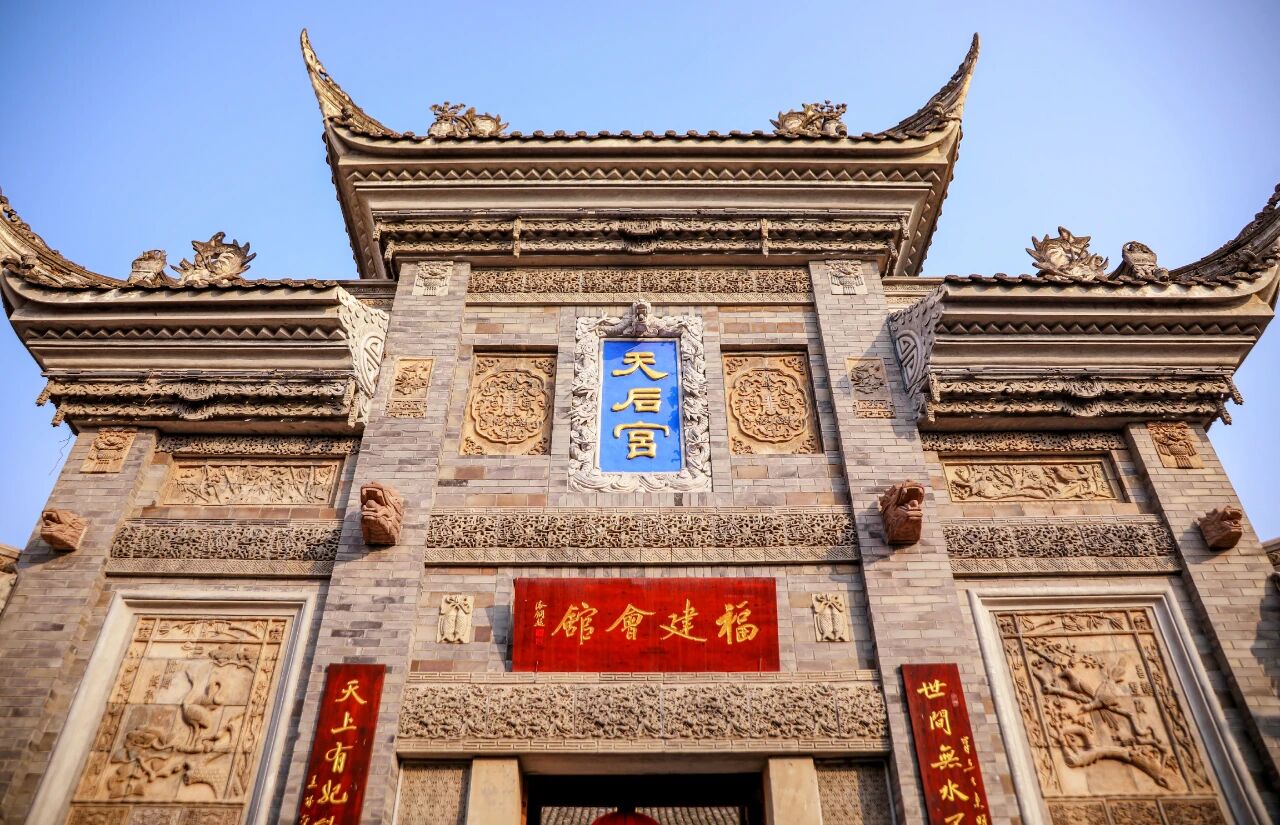
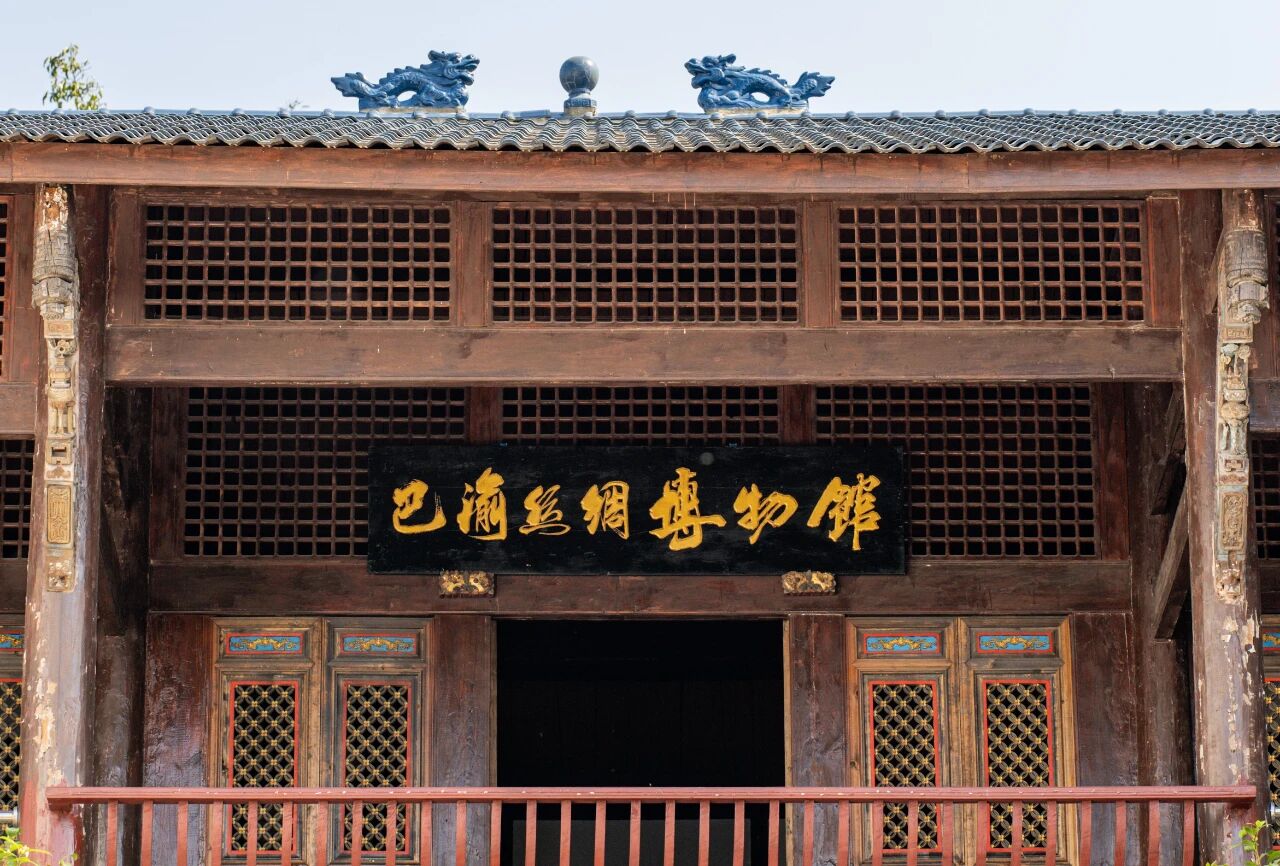
Traders who settled here built halls for home: Tianhou for Fujian, Yuwang for Huguang, Nanhua for Guangdong, Wanshou for Jiangxi. Three stand side by side on Huoshen Street — a cluster almost unmatched in Bashu. Their stages still carry performances.
03
Find the dragon
One of the cradles of dragon culture. Dragons are cut into window screens, carved along walls and curled over roof ridges — small, easy to miss, and all over the town. We point out the first one. After that you find them yourself.
04
The gate opens every morning
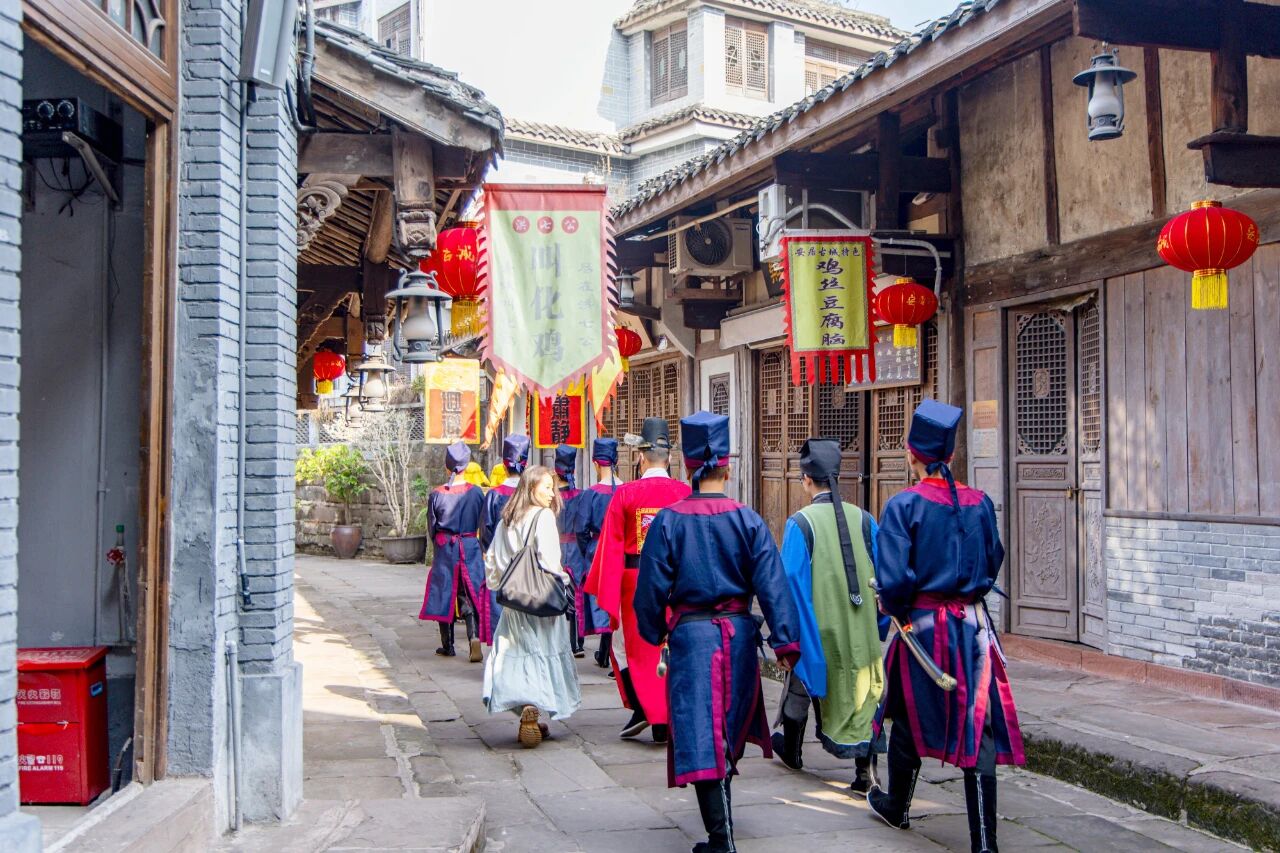
At Xinghui Gate, actors in period dress re-enact the magistrate coming out to greet the day, then walk with him down Huoshen Street. Visitors are welcome to walk along. It is short — and it sets the tone for everything else here.
05
Books still being saved
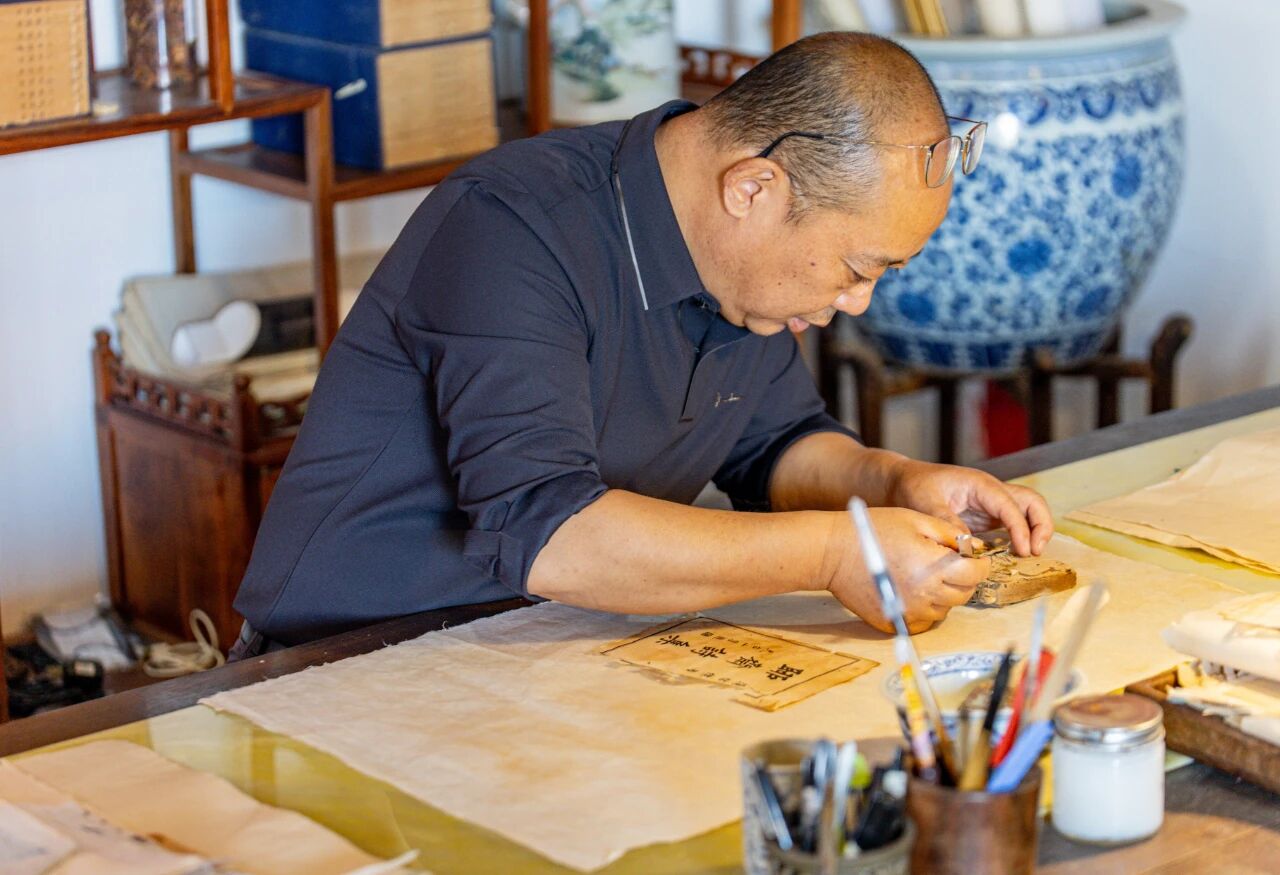
Three floors of the Kuiven Pavilion hold books from the Five Dynasties onwards. Most were donated by the curator, who spends his days at a single table repairing them — and shows visitors what he is doing.
06
Silk, and the old mill
Silk was made here before the Qin. The museum keeps old woven cloth, and the old reeling mill still stands. Worth the detour if old industry interests you.